
How Do I Choose the Right Dog Food? A Complete Guide for Dog Parents
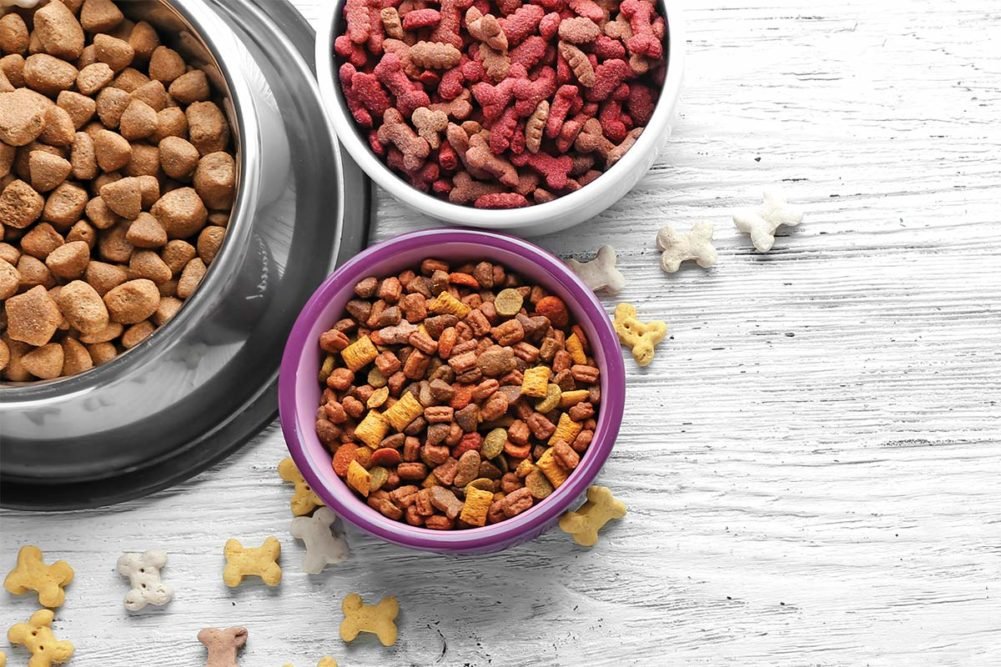
How Do I Choose the Right Dog Food,Choosing they can feel overwhelming. With so many brands, ingredients, formulas, and feeding options available, it can be difficult to know what actually matters.
The right dog food should be complete and balanced for your dog’s life stage, appropriate for their size and activity level, and suitable for any specific health or dietary needs. Start by checking the nutritional adequacy statement on the label, then consider your dog’s age, weight, activity, body condition, preferences, and any advice from your veterinarian.
What Should I Look for When Choosing Dog Food?
When comparing dog foods, focus on these factors:
- Life stage – Puppy, adult, or senior dogs have different nutritional requirements.
- Nutritional adequacy – Look for food labeled as complete and balanced for the appropriate life stage.
- Calorie content – Feeding amounts should match your dog’s size, activity level, and body condition.
- Protein and fat – These provide important nutrients and energy, but the ideal amounts vary by individual dog.
- Ingredient suitability – Consider ingredients your dog tolerates well and any known allergies or sensitivities.
- Food quality and safety – Choose products from manufacturers with appropriate quality-control and nutritional expertise.
- Your dog’s response – Healthy weight, good stool quality, energy, and overall condition are useful indicators that a diet is working.
What Does “Complete and Balanced” Dog Food Mean?
“Complete and balanced” generally means that a food is formulated to provide the required nutrients in appropriate amounts for a specified nutritional life stage or purpose.
This is one of the most useful things to check on a dog-food label.
However, “complete and balanced” does not mean that every food is equally appropriate for every dog. A growing puppy, highly active adult dog, and older dog may have different nutritional needs.
How Do I Choose Dog Food for a Puppy?
Puppies need food formulated for growth because they are developing rapidly.
When choosing puppy food:
- Look for a formula specifically intended for puppies or growth.
- Consider your puppy’s expected adult size.
- Follow the manufacturer’s feeding guidelines as a starting point.
- Monitor growth and body condition rather than feeding solely by a fixed amount.
- Avoid making frequent food changes unless there is a reason to do so.
Large-breed puppies can have particularly important nutritional considerations, so a diet formulated for their growth requirements may be appropriate.
How Do I Choose Food for an Adult Dog?
Adult dogs generally need a maintenance diet rather than a growth formula.
The best choice depends on factors such as:
- Body size
- Activity level
- Age
- Body condition
- Neutering status
- Individual health needs
- Food preferences and tolerance
A moderately active adult dog may need a different calorie density from a highly active working or sporting dog.
What Is the Best Dog Food for Senior Dogs?
There is no single dog food that is automatically best for every senior dog.
Older dogs can have different nutritional needs depending on their health, activity level, body condition, and medical history.
Some senior dogs may benefit from a diet with adjusted calories or specific nutrient levels, while dogs with conditions such as kidney disease or diabetes may require a therapeutic diet recommended by a veterinarian.
Age alone does not determine the right food; the individual dog’s health and nutritional needs matter.
Does My Dog Need Grain-Free Food?
Not necessarily.
Grains can provide nutrients, carbohydrates, fiber, and other useful components of a balanced diet. There is no general nutritional requirement for healthy dogs to avoid grains.
If your dog has a diagnosed food allergy or another medical reason to avoid a particular ingredient, discuss appropriate alternatives with your veterinarian.
Are Ingredients the Most Important Thing on a Dog-Food Label?
Not always.
Dog owners often focus heavily on the ingredient list, but the ingredient list alone does not tell you whether a diet is nutritionally appropriate for your dog.
Instead, consider the whole nutritional profile, including:
- Nutritional adequacy
- Calories
- Protein and fat
- Life-stage suitability
- Feeding guidelines
- Manufacturer quality control
- Your dog’s individual nutritional requirements
Ingredients still matter, particularly when your dog has an allergy, intolerance, or other dietary restriction.
Is Expensive Dog Food Better?
Not necessarily.
A higher price does not automatically mean a food is nutritionally superior, just as a lower price does not automatically mean a food is inadequate.
When comparing products, look beyond marketing claims and consider whether the food is nutritionally appropriate, complete and balanced for the intended life stage, produced with appropriate quality controls, and suitable for your individual dog.
How Much Dog Food Should I Feed My Dog?
The correct amount depends on your dog’s calorie requirements.
Start with the feeding guide on the food package, then adjust based on your dog’s:
- Weight
- Body condition
- Activity level
- Age
- Metabolic needs
- Treat intake
Two dogs of the same weight may need different amounts of food.
Regularly checking your dog’s body condition is often more useful than relying on the feeding chart alone.
Don’t Forget Treats
Treats, chews, table food, and supplements can add significant calories.
If your dog receives treats every day, include those calories when considering their overall diet.
How Do I Know If My Dog Food Is Working?
Your dog’s response can provide useful clues.
Signs that a diet may be working well include:
- Stable, healthy body weight
- Appropriate body condition
- Normal energy for the individual dog
- Consistent, well-formed stools
- Healthy skin and coat
- Good appetite
- No persistent digestive problems
These observations are not a substitute for veterinary care, but they can help you monitor how your dog is responding to their diet.
How Should I Change My Dog’s Food?
Changing food gradually can help reduce digestive upset.
A common approach is to introduce increasing amounts of the new food while decreasing the old food over approximately a week, although the ideal transition period can vary between dogs.
If your dog develops persistent vomiting, diarrhea, refuses food, or shows other concerning symptoms, contact your veterinarian.
What If My Dog Has Food Allergies?
Food allergies are different from ordinary food preferences or temporary digestive upset.
Dogs with suspected food allergies may require a carefully controlled elimination diet under veterinary guidance. Randomly switching between foods can make it harder to determine which ingredient is responsible.
If your dog has recurring itching, ear problems, gastrointestinal symptoms, or other signs that may indicate an allergy, speak with a veterinarian rather than repeatedly changing foods on your own.
Wet Food vs. Dry Food: Which Is Better?
Both wet and dry dog foods can be appropriate when they provide complete and balanced nutrition for the dog’s needs.
Dry food
Dry food is convenient, easy to store, and generally simple to portion.
Wet food
Wet food contains more water and may be useful for dogs that prefer moist food or need additional dietary moisture.
Combining wet and dry food
Some owners feed a combination of both. The important consideration is the total nutritional and calorie intake, not simply whether the food is wet or dry.
What Dog Food Should I Avoid?
Rather than relying on a simple list of ingredients to avoid, focus on whether the product is appropriate and safely manufactured.
Be cautious about:
- Unverified health claims
- Diets that are not complete and balanced when used as the primary food
- Products that are inappropriate for your dog’s life stage
- Homemade diets that have not been properly formulated
- Abrupt diet changes
- Feeding human foods that may be toxic to dogs
Some human foods, including chocolate, grapes and raisins, onions, garlic, and xylitol-containing products, can be dangerous to dogs.
Should I Ask My Veterinarian Before Choosing Dog Food?
For a healthy dog, owners can often compare appropriate commercial diets using the information on the label and manufacturer.
Veterinary advice becomes particularly important if your dog:
- Has a diagnosed medical condition
- Is significantly overweight or underweight
- Has persistent digestive problems
- Has suspected food allergies
- Is pregnant or nursing
- Is a puppy with unusual growth concerns
- Requires a therapeutic or prescription diet
A veterinarian can help determine whether your dog needs a standard maintenance diet or a diet designed around a specific medical requirement.
Quick Answer: How Do I Choose the Dog Food?
Choose a dog food that is complete and balanced for your dog’s life stage, provides appropriate calories and nutrients, is suitable for their size and activity level, and accommodates any medical or dietary needs. Check the nutritional adequacy statement first, compare calorie and nutrient information, follow feeding guidelines, and monitor your dog’s body condition and overall health.
Dog Food Selection Checklist
Before buying a dog food, ask:
- Is it complete and balanced?
- Is it appropriate for my dog’s life stage?
- Does the calorie content fit my dog’s needs?
- Is it appropriate for my dog’s size and activity?
- Does my dog have any allergies or dietary restrictions?
- Does my dog have a medical condition requiring a specific diet?
- Can I consistently feed this food in the appropriate amount?
- Does my dog maintain a healthy body condition on it?
- Is the manufacturer transparent about nutritional and quality-control practices?
Frequently Asked Questions About Choosing Dog Food
What is the most important thing to look for in dog food?
The nutritional adequacy statement is one of the most important things to check. It helps determine whether the food is intended to provide complete and balanced nutrition for your dog’s relevant life stage.
Should dogs eat the same food every day?
Dogs can eat the same nutritionally complete food consistently if it meets their individual nutritional needs. There is no requirement to constantly rotate foods.
Is homemade dog food healthier?
Homemade food is not automatically healthier. A homemade diet can become nutritionally incomplete if it is not properly formulated. If you want to feed a homemade diet long term, ask a veterinary nutrition professional to formulate it appropriately.
Can I feed my puppy adult dog food?
Adult maintenance food may not provide the nutritional profile required for a growing puppy. Puppies should generally receive food formulated for growth and their specific developmental needs.
How often should I change my dog’s food?
There is no universal schedule for changing a dog’s food. If the current diet is nutritionally appropriate and your dog is doing well, changing it may not be necessary. When a change is needed, transition gradually.
What is the healthiest dog food?
There is no single healthiest dog food for every dog. The appropriate choice depends on the dog’s life stage, nutritional requirements, health status, activity level, body condition, and individual tolerance.
How can I tell if my dog is overweight?
You can assess body condition by looking at your dog’s waist and feeling their ribs, but a veterinarian can provide a more accurate body-condition assessment and target weight.
Final Takeaway
Choosing dog food doesn’t have to mean choosing the food with the longest ingredient list or the most impressive marketing claims.
Start with nutritional adequacy and your dog’s individual needs. Then consider calories, life stage, activity, ingredients, feeding amounts, and your dog’s response to the diet.
When your dog has a medical condition, persistent symptoms, or unusual nutritional requirements, involve your veterinarian in the decision.
The goal isn’t to find the most expensive or most heavily marketed food. It’s to find a nutritionally appropriate diet that meets your individual dog’s needs and can be fed consistently in the right amount.